

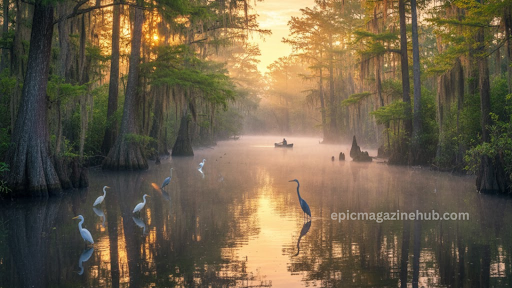
Step Into Florida’s Wild Heart and Discover Nature Like Never Before
Florida hides a secret far beyond its sunny beaches and bustling cities. The Big Cypress National Preserve stretches across over 720,000 acres of swamp, prairie, and forest, offering one of the most untouched and awe-inspiring natural landscapes in the United States. This preserve delivers more than just scenic beauty—it invites you to explore ecosystems, encounter rare wildlife, and immerse yourself in a wilderness that feels both ancient and alive.
Established in 1974, Big Cypress became the first national preserve in the U.S. Its goal was simple yet powerful: to protect Florida’s fragile wetlands while allowing responsible human activities like hiking, kayaking, and photography. Today, it stands as a vital piece of the Everglades ecosystem, connecting waters, wildlife, and humans in a delicate balance.
Discover the Location and Accessibility
Big Cypress lies in southern Florida, touching Collier, Monroe, and Miami-Dade counties. The Tamiami Trail (U.S. Highway 41) runs along its northern edge, providing convenient access from major cities like Naples, Miami, and Fort Lauderdale.
The Ochopee Visitor Center serves as a central hub for maps, permits, and local guidance. Travelers can plan short visits or extend their stay to explore remote trails and backcountry areas. The preserve’s layout allows adventure while maintaining the safety and integrity of its natural habitats.
Explore Its Unique Ecosystem
Big Cypress exists as a transition zone between the Everglades and upland forests. This mix creates a diverse environment where different ecosystems converge. Visitors can explore cypress swamps, pine flatwoods, marshes, and prairies—all in a single trip.
| Habitat | What Makes It Special |
| Cypress Swamps | Dominated by bald cypress trees, these wetlands filter water, reduce floods, and provide shelter for wildlife. |
| Pine Flatwoods | Dry, sandy areas with longleaf pines. Deer, turkeys, and panthers roam freely here. |
| Marshes | Shallow wetlands are filled with aquatic plants. Alligators, frogs, and wading birds thrive here. |
| Prairies | Open grassy lands blooming with wildflowers, attracting butterflies and migratory birds. |
This variety makes Big Cypress a biodiversity hotspot, sustaining species that depend on both wet and dry environments.
Encounter Rare Wildlife
Big Cypress gives visitors a chance to see wildlife rarely found elsewhere. The preserve serves as a sanctuary for endangered and threatened species, offering unforgettable wildlife encounters.
- Florida panther: A rare and elusive predator that roams silently through pine flatwoods.
- American alligator and crocodile: These apex predators share waterways, creating a unique ecosystem.
- Black bears: Often spotted in the early morning or late evening.
- Wading birds: Herons, egrets, and roseate spoonbills inhabit the wetlands.
- Snakes and amphibians: Cottonmouths, water moccasins, and green tree frogs abound.
Observing these animals in their natural habitats fosters respect for nature and highlights the importance of conservation.
Engage in Outdoor Activities
Big Cypress offers something for every adventurer. Hiking, kayaking, birdwatching, photography, and camping bring you close to nature without disturbing it.
| Activity | Experience |
| Hiking | Explore over 50 miles of trails, including the Gator Hook Trail and Florida Trail segments. |
| Birdwatching | Spot migratory birds, raptors, and wading birds in wetlands and prairies. |
| Kayaking & Canoeing | Paddle through canals and rivers like the Rodriguez Canal and the Turner River. |
| Photography | Capture reflective swamp waters, colorful birds, and sunlit cypress forests. |
| Camping | Stay in frontcountry or backcountry sites for a night under the stars. |
| Hunting & Fishing | Allowed seasonally in regulated areas. |
Visitors can combine multiple activities in one trip, creating experiences that feel personal and adventurous.
Take Scenic Drives
Loop Road, a 24-mile gravel path, offers one of the most scenic drives in Florida. It winds through cypress swamps, pine flatwoods, and prairie landscapes. Travelers often spot alligators, deer, and birds along the way. Early morning or late afternoon drives provide dramatic lighting for photography and peaceful reflection.
The road demonstrates the preserve’s balance: easy access for humans without disturbing wildlife.
Paddle Through Waterways
Water is the lifeblood of Big Cypress. The preserve contains numerous canals, rivers, and wetlands. Kayaking and canoeing allow visitors to explore areas unreachable on foot.
- Turner River: Calm waters ideal for spotting alligators, turtles, and wading birds.
- Rodriguez Canal: Surrounded by cypress and mangroves, offering serene paddling.
- Backcountry waterways: Require navigation skills but reward explorers with solitude and wildlife sightings.
Water activities highlight the preserve’s ecological importance while delivering adventure and tranquility.
Camp in the Wilderness
Camping allows visitors to immerse themselves in Big Cypress fully. Options range from frontcountry campgrounds with amenities to backcountry sites requiring permits.
- Frontcountry: Accessible by vehicle with picnic tables, fire rings, and restrooms.
- Backcountry: Remote, offering solitude and connection to nature.
- RV Camping: Selected sites allow RVs with hookups.
Nighttime in Big Cypress brings unique sounds: the call of owls, croaking frogs, and rustling wildlife. Camping here feels like stepping into another world.
Conservation at Its Core
Big Cypress plays a critical role in the Everglades ecosystem. Its wetlands filter water, recharge aquifers, and reduce flood risks. Scientists study endangered species, water flow, and invasive species here.
Visitors contribute to conservation by following rules, respecting wildlife, and leaving no trace. Every hike, paddle, or photo expedition helps maintain the preserve’s balance.
Plan Your Visit Wisely
To enjoy Big Cypress fully:
- Visit in dry season: November to April brings fewer mosquitoes and safer water levels.
- Stay safe: Watch for snakes and alligators, and do not feed wildlife.
- Bring essentials: Waterproof boots, sun protection, insect repellent, and plenty of water.
- Respect regulations: Follow guidelines for hunting, fishing, and off-road access.
- Consider guided tours: Ranger-led programs reveal hidden gems and educate on conservation.
Proper planning ensures safety and a rewarding experience.
Explore Nearby Attractions
Big Cypress connects to other must-see destinations:
- Everglades National Park: Continue exploring wetlands, sawgrass prairies, and mangroves.
- Miccosukee and Seminole Tribal Camps: Experience Native American culture, crafts, and cuisine.
- Everglades City: Offers dining, lodging, and guided swamp tours.
- Naples: Relax after adventures with beaches, shopping, and restaurants.
These nearby attractions complement Big Cypress, creating a rich and varied Florida adventure.
Also Read: Chinatown Hawker Leftovers: How Consuming Leftovers Helps Reduce Waste
Why Big Cypress Stands Out
Big Cypress National Preserve offers a rare glimpse into Florida’s untamed wilderness.
- Vast wilderness with over 720,000 acres to explore.
- Diverse ecosystems from swamps to prairies.
- Home to rare species like the Florida panther and coexisting alligators and crocodiles.
- Activities that combine adventure, photography, and education.
- Vital role in conserving water, wildlife, and the Everglades.
It is a destination for anyone seeking connection with nature, adventure, and meaningful experiences.
The Emotional Experience
Visiting Big Cypress stirs awe and reflection. Watching the sunrise over a misty swamp, hearing frogs and birds, and spotting wildlife evoke a sense of wonder and calm. Each step feels like entering a living, breathing ecosystem untouched by time.
The preserve teaches patience, respect, and appreciation for natural beauty. Every hike or paddle reminds visitors that nature thrives when humans tread lightly.
Conclusion
Big Cypress National Preserve is more than a destination—it is an experience. From swampy waterways to sunlit prairies, from elusive panthers to wading birds, every corner of this preserve tells a story of life, survival, and balance. Hiking, paddling, camping, or simply observing nature creates memories that linger long after the visit ends.
Big Cypress invites everyone to witness Florida’s wild heart, to explore responsibly, and to leave inspired by its beauty and resilience. This preserve proves that wilderness still exists, offering solace, adventure, and lessons for all who venture within its borders.




Leave a Reply