

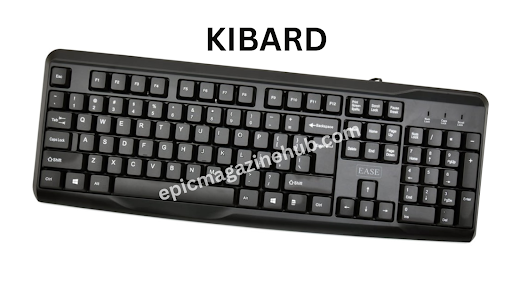
Introduction: Why Kibard Confuses Everyone
Have you ever typed “kibard” and wondered why Google showed confusing results? You are not alone. Many people stumble on this Word. In reality, kibard is just a misspelling of keyboard. The similarity in pronunciation makes it easy to type the wrong letters, and technology often amplifies these mistakes.
Typing has become second nature in our digital lives. We write emails, chat with friends, complete work tasks, or even play games using a keyboard. Mistakes like “kibard” happen naturally, but they can create confusion. Understanding why kibard appears online and how it links to keyboards can save you time, improve your writing, and even help you navigate the internet smartly.
What Is Kibard? Clearing the Confusion
“Kibard” is not a real Word. It has no dictionary definition, and it doesn’t represent any device, brand, or concept. It only exists because of human error or misinterpretation.
People often type ‘kibard’ instead of ‘keyboard’. Some mishear the Word, some type too fast, and others rely on voice-to-text tools that misrecord their pronunciation. The result is a search term that pops up online, leading to pages that explain keyboards or correct spelling mistakes.
In short, whenever you see “kibard,” remember: the writer intended to say keyboard.
Why People Mistype Kibard
Mistyping “keyboard” as “kibard” happens more than you might think. Here are the main reasons:
1. Fast Typing
When people type quickly, mistakes occur. Fingers hit the wrong keys. “Keyboard” becomes “kibard” without anyone noticing. This is especially true for mobile typing, where small keyboards increase the chance of errors.
2. Voice-to-Text Errors
Digital assistants and speech-to-text tools sometimes misinterpret what you say. You might pronounce “keyboard” clearly, but the tool converts it to “kibard.” These errors are common in both professional and casual settings.
3. Non-Native English Speakers
English learners often spell words the way they sound. “Keyboard” can easily become “kibard” when someone writes phonetically.
4. Habitual Mistakes
Some people type the same wrong version repeatedly because their devices auto-correct them or because they never learned the correct spelling.
The Keyboard: Your Essential Digital Tool
To understand why kibard exists, it helps to know the role of the keyboard. A keyboard is a device that lets you enter letters, numbers, and commands on computers, laptops, tablets, and even gaming systems.
- Students type homework and essays.
- Professionals send emails and create documents.
- Gamers rely on keyboards for fast actions.
Humans interact with keyboards daily. Mistyping a Word like “keyboard” is common, and it’s a small, natural error. By understanding how keyboards work and practicing proper typing, you can prevent mistakes like “kibard.”
Kibard in Technology and Learning
The term kibard appears primarily online in search queries, forums, and educational guides. Teachers and content creators often write posts explaining the spelling mistake. Students may search “kibard meaning” when they are unsure how to spell keyboard.
Technology itself contributes to this problem. Auto-correct and predictive text sometimes suggest “kibard,” and learners accept it by mistake. Over time, “kibard” spreads in small online pockets, but it always traces back to the keyboard.
Correcting the Mistake: Kibard vs Keyboard
Correcting this mistake is simple. Follow these tips:
- Slow Down Your Typing: Take your time and focus on hitting the correct keys.
- Check Voice-to-Text Tools: Review what your device typed before sending messages.
- Learn the Word Visually: Remember “keyboard” contains “key” + “board.” This visual helps prevent mistakes.
- Practice Often: Typing exercises improve muscle memory and accuracy.
By adopting these small habits, “kibard” will vanish from your writing.
Fun Facts About Keyboards People Forget
While kibard is a mistake, the keyboard itself has an interesting story:
- The QWERTY layout was designed in the 1870s for typewriters.
- Some keyboards have special keys like “Ctrl,” “Alt,” or “Fn,” which increase productivity.
- Mechanical keyboards offer faster typing speeds and more tactile feedback.
- People use keyboards for coding, gaming, writing, and even composing music.
Understanding keyboards reminds us why spelling them correctly matters.
How Kibard Searches Affect SEO
Websites often rank for common misspellings like kibard because they capture real search queries. Content creators write posts about “kibard meaning” to guide readers to correct spelling and valuable information.
- This benefits users who search for kibard.
- It boosts website traffic by capturing low-competition search terms.
- It encourages accurate writing habits.
If you write content targeting kibard searches, you can educate users and improve your SEO ranking at the same time.
Tips to Avoid Typing Mistakes
Avoiding mistakes like kibard requires small but consistent actions:
- Use Auto-Correct Wisely: Adjust your device to highlight misspellings.
- Practice Keyboard Exercises: Websites and apps can improve typing accuracy.
- Proofread Messages: A glance before sending can catch mistakes.
- Visual Reminders: Remember the “key + board” spelling.
- Slow and Steady: Speed is tempting, but accuracy matters more.
These tips help anyone — students, professionals, gamers, and casual users.
Conclusion: Kibard Made Simple
“Kibard” exists because humans make mistakes. Fast typing, voice-to-text errors, and phonetic spelling all contribute. At the heart of it, the Word always points to the keyboard, our essential tool for modern life.
By understanding why mistakes happen and practicing careful typing, we can eliminate kibard from our digital vocabulary. Remember: keyboards empower us to communicate, create, and learn. Spelling them correctly is a small effort with a significant impact.
Next time you see “kibard,” smile. Now you know the story behind the letters.
Explore More
- New Software Oxzep7 Python: Transform Your Coding Experience
- The Best UAD Version for macOS Monterey 12.7.4: Stability, Performance, and Reliability









Leave a Reply