
Introduction: Discover Masgonzola
Say it slowly—masgonzola. The name alone hints at indulgence. It promises richness, creativity, and a taste experience that feels both familiar and exciting.
Masgonzola combines the creamy, buttery richness of mascarpone with the bold, tangy character of Gorgonzola. The result is a luxurious blue cheese that feels balanced and creamy while retaining its distinctive bite. It’s approachable, versatile, and perfect for anyone who wants gourmet flavors without being overwhelmed.
Food enthusiasts today seek products that both surprise and comfort. Masgonzola answers this desire. It honors Italian tradition while introducing modern creativity, delivering flavors that feel sophisticated yet easy to enjoy every day. In this guide, we’ll explore masgonzola’s origins, flavor, textures, culinary uses, storage, and why it deserves a place in your kitchen.
What Makes Masgonzola Unique?
Masgonzola is a contemporary fusion cheese that brings together two classic Italian varieties:
- Mascarpone: smooth, buttery, and lightly sweet.
- Gorgonzola Dolce: creamy, mild, and blue-veined.
Cheesemakers gently fold mascarpone into Gorgonzola Dolce to soften the blue cheese’s sharp edges while preserving depth and character. The resulting cheese spreads easily, melts beautifully, and maintains a layered, satisfying flavor profile.
Masgonzola transforms the way people enjoy blue cheese. It keeps the complexity but removes intimidation, making it approachable for both novices and experienced cheese lovers. Its versatility allows it to be spread, melted, crumbled, or whipped, creating endless culinary possibilities.
The Italian Roots of Masgonzola
Italy has long set the standard in cheese craftsmanship. Regions like Lombardy are famous for both mascarpone and Gorgonzola, and local producers have refined these recipes over centuries.
Masgonzola emerged from culinary curiosity. Artisans asked: What happens if we balance the intensity of blue cheese with creamy sweetness? Through careful experimentation and tasting, they discovered harmony between bold and soft textures.
The name combines “Mas” from mascarpone and “Gonzola” from Gorgonzola, creating a term that feels both playful and sophisticated. Masgonzola doesn’t replace tradition; it honors it while offering a new experience for modern food enthusiasts.
Flavor Profile: Creamy Meets Bold
Masgonzola delivers flavor in layers:
- First bite: Silky, buttery creaminess coats the palate.
- Second impression: Gentle blue-cheese tang rises, bringing earthy, lightly salty notes.
- Finish: Soft, lingering nuttiness completes the experience.
Unlike strong blues like Roquefort, masgonzola unfolds gradually, making it approachable yet complex. Its balance of creaminess and tang ensures it satisfies both new tasters and blue cheese aficionados.
Texture and Visual Appeal
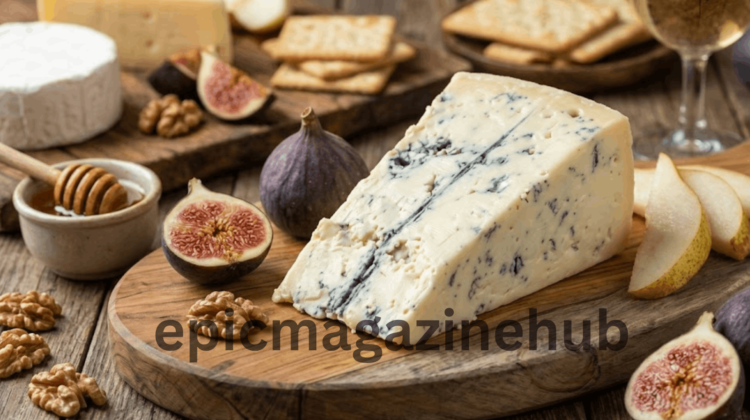
Masgonzola impresses visually and texturally. Pale cream swirls intertwine with delicate blue veins, creating an elegant marbled appearance.
At room temperature, it remains soft and spreadable, thanks to mascarpone’s high fat content. A knife glides through it effortlessly, delivering a velvety mouthfeel that elevates any dish. Its smoothness and luxurious texture make every bite satisfying, whether served on its own or incorporated into a recipe.
Crafting Masgonzola: The Cheesemaker’s Art
Creating masgonzola requires precision and skill:
- Mascarpone preparation: Fresh cream is cultured and gently thickened.
- Gorgonzola selection: Mild Dolce varieties provide balanced tang without overwhelming sharpness.
- Folding and blending: Cheeses are combined carefully to preserve the marbling and maintain harmony.
- Optional aging: Some batches rest briefly to further meld flavors.
The right ratio matters. Too much Gorgonzola makes the cheese sharp, while too much mascarpone dilutes its character. Temperature, mixing technique, and freshness all influence the final product, blending science and culinary creativity.
Why Masgonzola Shines
Masgonzola occupies a unique spot in the cheese world:
- Welcomes beginners intimidated by sharp blues.
- Satisfies seasoned cheese lovers.
- Melts smoothly into pasta, pizza, and risotto.
- Pairs beautifully with both sweet and savory flavors.
- Presents elegantly on cheese boards.
Its adaptability fits modern culinary trends that value fusion, creativity, and approachability.
Culinary Uses of Masgonzola
Masgonzola transforms ordinary dishes into gourmet experiences.
Cheese Boards
Serve at room temperature with fresh figs, pears, walnuts, or honey. Its creamy texture and marbled appearance make it the star of any board.
Pasta and Risotto
Mix masgonzola into hot pasta or risotto to create a smooth, tangy sauce. Add spinach, caramelized onions, or roasted garlic to naturally enrich flavor.
Pizza and Flatbreads
Dollop masgonzola on white pizza. Pair with arugula, prosciutto, or roasted garlic for pockets of creamy indulgence.
Stuffed Chicken
Cut a pocket into a chicken breast and stuff it with masgonzola. Bake until golden; the center remains gooey and rich.
Salads
Crumble over mixed greens with toasted nuts and balsamic glaze. Masgonzola blends naturally into dressings, enhancing flavor without overpowering.
Desserts
Yes, it works in sweets. Pair with dark chocolate, honey, or fruit, or blend into savory-sweet cheesecakes. Its versatility encourages creativity.
Perfect Pairings for Masgonzola
Pairing enhances its taste and elevates experiences.
Beverage Pairings
- Wine: options include sweet wines to balance the richness, light reds for a fruity contrast, and sparkling wines to refresh the palate.
- Beer: Belgian ales, wheat beers, or smooth stouts highlight its creamy tang.
- For non-alcoholic options, sparkling citrus water, fresh apple juice, or pear nectar pairs perfectly with the cheese.
Nutrition and Moderation
Masgonzola contains protein, calcium, and healthy fats. Its concentrated flavor means small portions satisfy, making indulgence manageable. Vegetarians should check rennet sources to ensure suitability.
Buying and Storing Masgonzola
Look for masgonzola at specialty cheese shops or high-end gourmet markets. Look for creamy texture, mild aroma, and clear marbling.
Storage tips:
- Cover the cheese with wax or parchment paper, then store it in an airtight container.
- Keep refrigerated at 4–6°C.
- Bring to room temperature before serving.
- Avoid freezing to preserve texture.
- Consume within 1–2 weeks for the best flavor.
Making Masgonzola at Home
Home preparation is simple:
- Mix 8 ounces of mascarpone with 2–3 ounces of Gorgonzola Dolce.
- Fold gently and chill for a few hours.
- Adjust ratios to control tanginess or creaminess.
- Optional: Add herbs, cracked pepper, or a drizzle of honey for a personal touch.
This method lets you enjoy fresh, customizable cheese at home.
The Emotional Appeal
Masgonzola connects people through flavor and experience. Its creamy texture sparks curiosity and conversation. Guests taste cautiously, then smile as they savor the perfect balance of creaminess and tang.
It elevates ordinary meals into memorable experiences, turning simple bread, pasta, or fruit into moments of culinary joy. It’s indulgent without being intimidating.
Market Relevance and Food Trends
Modern food culture values authenticity, creativity, and visual appeal. Masgonzola fits perfectly:
- Its marbled surface photographs beautifully.
- Fusion ingredients excite social media audiences.
- Restaurants can feature it in signature dishes.
- Gourmet stores can present it as a premium yet approachable choice.
Masgonzola exemplifies how tradition and innovation can coexist in today’s culinary landscape.
Pros and Considerations
Benefits:
- Approachable blue cheese for beginners.
- Luxurious, creamy texture.
- Versatile in sweet and savory dishes.
- Beautiful presentation.
- Easy to make at home.
Considerations:
- Rich in fat.
- Limited availability.
- Short shelf life.
- Moderation ensures maximum enjoyment.
The Future of Masgonzola
Hybrid and fusion foods continue to gain popularity. Producers explore aged versions, whipped spreads, herb-infused variants, and truffle enhancements.
Masgonzola’s flexibility ensures it adapts to regional tastes and global trends while maintaining its identity. It represents the future of approachable, creative cheese.
Final Thoughts: Why Masgonzola Belongs in Your Kitchen
Masgonzola blends tradition and creativity seamlessly. Its mascarpone creaminess pairs perfectly with Gorgonzola tang, offering bold yet balanced flavor.
It enhances cheese boards, pasta dishes, pizzas, salads, and desserts. Its approachable style makes it ideal for beginners and experts alike, turning everyday meals into memorable experiences.
Once you try masgonzola, you’ll seek new ways to enjoy it again and again.
For more insights, you may also like to read about: Calamariere