
Understanding the Riding Crop: A Key Tool for Every Rider
A riding crop is more than just an accessory for riders; it’s an essential tool in many equestrian disciplines. Whether you’re a seasoned rider or just starting, understanding the role of a riding crop can improve your connection with the horse and refine your skills. Let’s dive into the details of this handy tool and explore its importance in horse training and riding.
What is a Riding Crop?
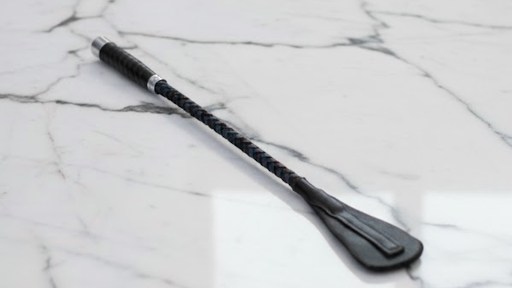
A riding crop is a lightweight, flexible tool riders use to communicate with their horses. It typically comprises a thin shaft, often made from fibreglass or cane, with a small, flat leather flap at the tip. Its primary purpose is not to hit or harm the horse but to provide subtle guidance and encouragement, especially in disciplines like dressage, jumping, or racing.
In essence, the riding crop is a tool that helps riders send signals to their horses. The rider applies light taps or gentle pressure on the horse’s body, signalling a request for movement, speed, or attention. Designers craft the crop so riders can use it with finesse, unlike harsher tools such as whips. making it a communication tool rather than a punishment device.
The Components of a Riding Crop
A typical riding crop consists of several parts that contribute to its functionality:
- The Shaft
The shaft is the extended, straight portion of the crop. Manufacturers usually make the shaft from lightweight and flexible materials like fibreglass, carbon fibre, or cane. The shaft is sturdy but flexible, allowing easy control and quick responses. - The Handle
The handle is where the rider holds the crop. It is often made from rubber or leather, offering a firm grip for better control. The handle may also feature some texture or padding to prevent slippage. - The Flap or Tip
The flap is a small leather or fabric section at the end of the crop. Designers create it to make contact with the horse’s skin during use. The flap can vary in size, but it’s generally no wider than a few inches to ensure it provides a subtle, precise signal. - The Keeper
Some crops come with a keeper, a small loop near the handle that keeps the crop secure when unused. This feature helps prevent the crop from flailing around and getting caught on something while riding.
How Do You Use a Riding Crop?
Using a riding crop correctly is essential for both the rider’s effectiveness and the horse’s well-being. The crop should never be used to hit the horse aggressively. Instead, it serves as a tool for gentle pressure or encouragement. Here’s how to use it effectively:
- Tapping for Forward Motion
When a horse is sluggish or resistant to moving forward, a light tap with the crop can encourage it to pick up speed. The tap should be directed behind the rider’s leg, signalling the horse to move forward. - Refining Gait and Posture
In disciplines like dressage, riders use the crop to refine the horse’s gait and posture. A soft tap on the horse’s side can encourage it to straighten up, maintain a steady pace, or improve its response to commands. - Encouraging Attention and Focus
Sometimes, horses get distracted, especially in crowded environments or during competitions. A gentle tap on the shoulder or neck can help refocus the horse’s attention, bringing it back to the task at hand. - Reinforcing Communication
The crop is a part of the rider’s communication system with the horse, alongside voice commands, leg aids, and rein signals. By using the crop correctly, riders can ensure they communicate clearly and effectively with their horses.
Why Do Riders Use a Riding Crop?
Riders use a crop to enhance communication with their horses and refine training methods. Here are some key reasons why crops are used in equestrian activities:
- Clarifying Commands: Horses are highly responsive to cues, but verbal or physical signals are sometimes not enough to communicate effectively. The crop helps provide an additional, subtle cue.
- Building Trust: Proper use of a riding crop can strengthen the bond between rider and horse. It shows the horse what is expected without causing pain or fear, fostering mutual trust.
- Enhancing Precision: In disciplines such as dressage, precise movements are crucial. The riding crop allows riders to make delicate adjustments, ensuring the horse moves exactly as they intend.
- Supporting Training: Riding crops can help horses respond to light touch, increasing their responsiveness to cues. This helps develop the horse’s sensitivity and cooperation.
Types of Riding Crops
Not all riding crops are the same. Riding crops vary in size, material, and design depending on the discipline. Here are the main types of riding crops you might encounter:
- Dressage Crops
Dressage crops are typically longer and thinner than other types. They are designed for precision and control in the show ring. They are often around 24 to 30 inches long and have a small, thin flap at the end. - Jumping Crops
Jumping crops are slightly shorter and sturdier than dressage crops. Riders use them in show jumping to encourage horses to clear jumps or respond quickly. These crops are often more flexible and have a larger flap. - Racing Crops
Racing crops are shorter and more rigid. They are designed for quick, precise taps and are often used in flat racing to encourage speed. Makers build them for speed and keep them lighter than most other crops. - Western Crops
Western riding crops tend to be longer and heavier. Riders often use them in Western riding events, and they may have a longer shaft and a thicker leather flap for greater control.
The Proper Use and Etiquette of a Riding Crop
Using a riding crop properly is essential for the rider’s and horse’s safety and well-being. Here are some guidelines for using a crop ethically and responsibly:
- Never Use Excessive Force: A riding crop is not a tool for punishment. It should only be used gently and with intention. If you find yourself using more force than necessary, reassess your technique.
- Be Mindful of the Horse’s Comfort: Horses are sensitive animals, and the crop should be used to guide, not hurt. Always be mindful of the horse’s response and ensure you’re using the crop as a positive reinforcement tool.
- Respect the Animal: Use the crop with respect for the animal’s boundaries. It should never cause pain or distress. A crop should complement other forms of communication, like leg aids or voice commands, rather than replace them.
- Check Local Rules: Different equestrian events and clubs may have their own rules regarding crop usage. Ensure you are familiar with these guidelines before using a crop in competition.
Common Misconceptions About Riding Crops
Many misconceptions surround the use of riding crops, particularly among those unfamiliar with equestrian practices. Let’s clear up some of these myths:
- Riding Crops Hurt the Horse: This is perhaps the most common misconception. When appropriately used, riding crops are a gentle tool for communication and do not cause pain. The goal is to encourage movement or focus, not to punish.
- Only Professionals Use Riding Crops: While it’s true that riding crops are commonly seen in competitive disciplines, they can also be helpful for novice riders. Using a crop effectively can be part of a rider’s education.
- Riding Crops Are the same as Whips. While whips are often longer and may be used with more force, riding crops are specifically designed for subtle, precise signals. They are not meant to be used aggressively.
The History of the Riding Crop
The riding crop has a long history in equestrianism. Riders originally used crops to guide and encourage their horses., especially in hunting or military settings. Over time, the crop’s design evolved, becoming a more refined tool for equestrian sports. Today, it remains an essential piece of equipment for many riders.
Conclusion
A riding crop is a subtle yet essential tool in equestrian riding. It helps improve communication between the rider and horse, encouraging more precise movements, better focus, and a stronger bond. Whether competing or riding for leisure, using a riding crop correctly can enhance your riding experience and help you achieve your goals.
Remember, the riding crop should always be used responsibly and ethically. It is a tool of communication, not a device of punishment. Understanding its purpose and using it properly can make your riding sessions more enjoyable for you and your horse.
Explore More
About the Author